



If you need quick and reliable rubbish removal in Clapham, our local team is ready to help. We provide fast, same day waste collection across Clapham and the surrounding streets, clearing unwanted items from homes, flats, gardens and businesses safely and responsibly. Whether you are just off Clapham High Street, near Clapham Common, in Clapham North or around Clapham South, we can usually offer a same day or next day collection slot.
Our rubbish removal service is designed to be simple and convenient. Just tell us what you need removed, we provide a clear quote, then our team arrives on time to load everything and sweep up before leaving. Same day rubbish removal is often available for bookings made earlier in the day, especially for properties around The Polygon, Northcote Road, Abbeville Village, and the streets leading towards Battersea and Brixton.
We handle jobs of all sizes, from single bulky items to full property clearances. Whether you are clearing out a flat near Clapham Common station, a house off Lavender Hill, or a shared property close to Wandsworth Road, our team can access tight streets and controlled parking zones to collect your waste efficiently.
Our rubbish removal Clapham team collects almost all non-hazardous household and commercial waste. Common items we remove include:
Old furniture such as sofas, armchairs, wardrobes, beds and mattresses, including bulky items from upper floors.
Domestic appliances including fridges, freezers, washing machines, tumble dryers, cookers, dishwashers and microwaves.
Electronic waste like televisions, computers, monitors, printers, audio systems and general small electrical items.
General household junk including boxes, toys, books, bric a brac, ornaments, clothing, carpets and underlay.
Garden waste such as branches, hedge trimmings, grass cuttings, leaves, soil, old fencing, sheds and broken garden furniture.
DIY and builder waste including wood offcuts, tiles, bathroom suites, kitchen units, doors, windows, plasterboard and packaging.
Office and commercial rubbish like desks, office chairs, filing cabinets, shelving, stockroom clearances, old signage and shop fittings.
If you are unsure whether we can collect a specific item, just mention it when booking and we will confirm. For certain hazardous materials, we may recommend a specialist service, but for everyday rubbish and bulky waste we can almost always help.
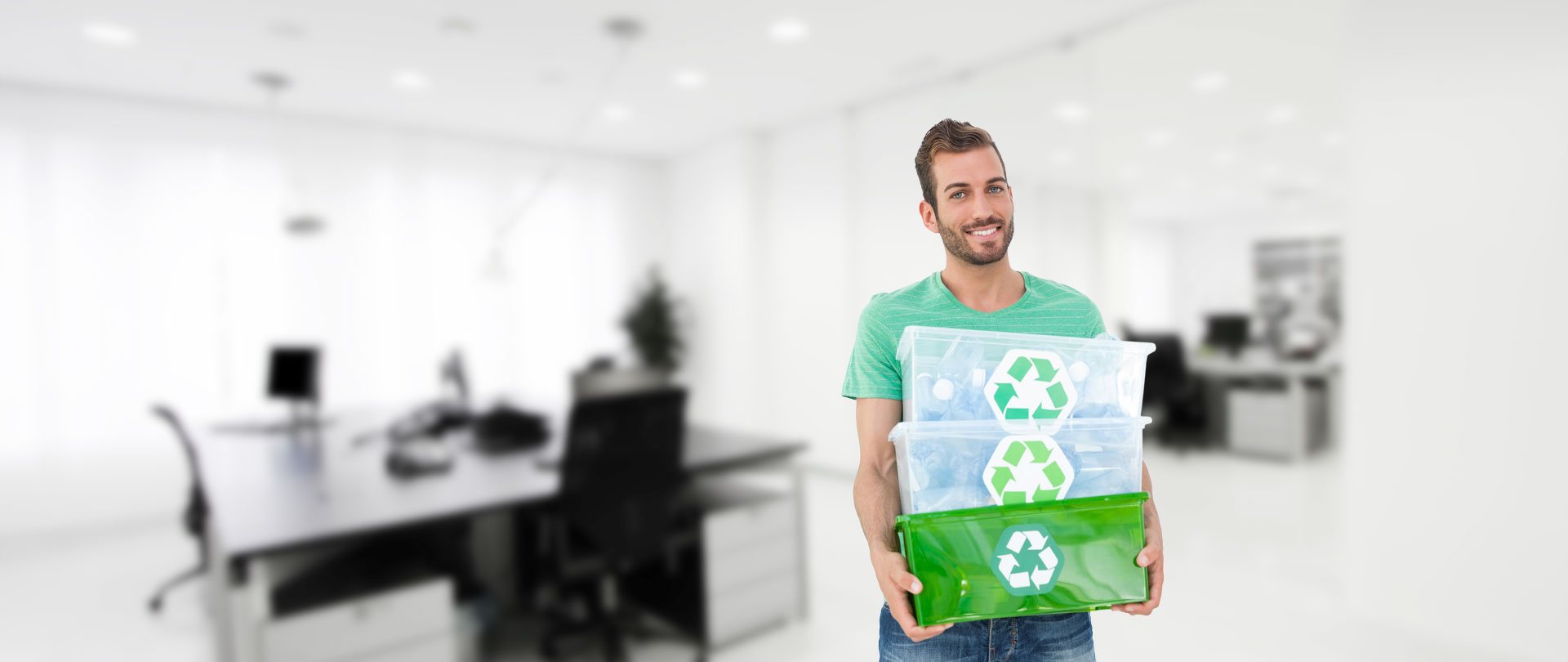
We are committed to carrying out rubbish removal in Clapham in a responsible and environmentally conscious way. Every load we collect is sorted so that as much as possible is diverted from landfill. Where we can, we separate materials such as metal, wood, cardboard, paper, plastics and electrical items so they can be sent to appropriate recycling facilities.
Items that are still in good, usable condition may be directed towards reuse, such as furniture, small appliances and household goods. By maximising recycling and reuse, we reduce the overall environmental impact of our collections while helping to keep Clapham’s streets, homes and communal areas tidy and uncluttered.
We use licensed waste transfer stations that provide documented evidence of how waste is treated. This ensures that your rubbish is not simply dumped but processed through proper, authorised channels.
When you choose our rubbish removal Clapham service, you can be confident that your waste is handled legally. We operate as fully registered waste carriers with the Environment Agency. This means we follow strict regulations for transporting and disposing of waste and can provide documentation if needed.
Using an unlicensed rubbish removal service can result in your waste being fly tipped, and as the producer of the waste you could be held responsible. By working with a licensed, professional team, you protect yourself and help keep Clapham’s local environment clean and safe.
Many of our customers live in flats and terraced houses where storage space is limited and bulky items can quickly become a problem. Our crews regularly carry out collections from basement flats, upper floor apartments and mews houses across Clapham, from the roads around Clapham Old Town to the residential streets heading towards Stockwell and Balham.
We can clear single rooms, lofts, cellars, garages and whole properties, working carefully in shared hallways and staircases. If you have difficult access or restricted parking, just let us know in advance and we will plan accordingly. Where possible, we will arrange timing to avoid peak traffic around Clapham Common and the main high street.
Local shops, cafes, offices, bars and restaurants in Clapham often need fast, flexible rubbish removal. We provide same day waste collection for commercial customers, ideal for end of tenancy handovers, shop refits, office clearances or simply when your regular bins are overloaded.
From units near Clapham Junction and the busy stretches towards Battersea Rise, to small studios and offices close to Clapham North, we can remove bulky packaging, old fixtures, redundant stock and general rubbish quickly, helping you keep your premises tidy and compliant with health and safety standards.
Choosing a local rubbish removal team in Clapham means faster response times and a better understanding of the area. Our crews work in and around Clapham every day, so we know the best routes, parking spots and collection points across the neighbourhood.
We offer clear, upfront pricing based on the volume and type of rubbish, with labour and disposal costs included. You will not be left with hidden charges or unexpected fees. Our teams load all items for you, so there is no need to drag heavy objects to the kerb; we collect from inside your property, garden, garage or office as needed.
If you are planning a same day rubbish removal or future waste collection in Clapham, contact us with details of what you need cleared, and we will arrange a convenient time to visit, often on the very same day.
Rubbish Removal Clapham provides a practical waste clearance service in Clapham for homes, flats, landlords, offices and trade premises that need unwanted items removed with minimal disruption. The main focus is straightforward rubbish removal, with additional support for bulky items, mixed loads and clearances that need careful sorting before collection. Our service is built around making disposal simpler, so customers can deal with clutter, surplus materials and awkward waste in one arranged visit.
If you are comparing options, you can start with the services overview for a broad look at the types of clearance we cover, then use the site to narrow down the right service for your property or project. We also explain the practical side of pricing and quotes, which helps when you want to understand what affects a quotation before you make contact. The aim is to keep the process clear from the first enquiry through to collection.
For everyday rubbish removal in Clapham, the service can suit one-off clear-outs, recurring waste issues and jobs that produce a mix of general household items and heavier pieces. Customers often want a service that is organised, predictable and proportionate to the amount of material involved, and that is the kind of support described across these pages. If you need a more specific service page, the homepage gives you a starting point without assuming the same job suits every type of waste.
Domestic rubbish removal is often about more than simply lifting a few bags. Homes can accumulate broken furniture, old small appliances, boxed-up clutter, spare flooring, packaging, worn-out soft furnishings and general household waste that is not suitable for normal bin collections. Our rubbish removal service is intended to handle that kind of mixture in a way that keeps the job organised. Where items need separating, that can be done as part of the collection rather than leaving the customer to sort everything in advance.
The house clearance page is useful if you are dealing with a fuller domestic clearance rather than a few isolated items, while the main rubbish removal page remains the best fit for mixed waste that does not fall neatly into one category. In practical terms, that means we can handle smaller clearances, partial room clear-outs and the removal of loose waste after decluttering, decorating or moving. The service is focused on load removal and sensible handling of materials, not on unnecessary extras.
Before arranging a visit, it helps to think about the type of waste, where it is located and whether any items are especially heavy, awkward or tightly packed. A concise description is usually enough to start a quotation. If the load includes a mixture of ordinary refuse and reusable items, that can be mentioned at the enquiry stage so the collection can be planned sensibly. Clear information leads to a more accurate assessment, especially when access is tight or the material is spread across more than one room.
After renovation, repair or light construction, waste can build up quickly in the form of offcuts, packaging, broken fittings, plasterboard, timber, old fixtures and general site debris. Our builders waste disposal service is designed for that sort of material, where a normal household collection is not suitable and the waste may need quicker removal to keep the space workable. This page sits alongside the main rubbish removal service because many projects produce a mixed load rather than a single waste type.
You can review the builders waste disposal service if your job involves renovation debris, then compare it with the broader waste clearance option when the material is less specialised. In some cases, the right approach is a simple clearance of mixed waste from a domestic or commercial property; in others, a builders waste page is the more direct fit because the load includes heavier or more awkward construction-related items. The important point is choosing the page that reflects the actual material.
The best collections are usually the ones where the waste has been gathered in a manageable way and the access route is described clearly. If the load includes rubble, timber or dismantled fixtures, that should be mentioned so the collection can be planned with suitable care. A short note about the stage of the project, the quantity involved and any restrictions at the property can help keep the quotation realistic. That is especially useful where work has left a mixture of dust, offcuts and bulky objects that need removing together.
Garden waste removal is a separate task from general rubbish removal when the material comes from pruning, digging, mowing or landscaping. Green waste can include branches, hedge cuttings, lawn clippings, soil, leaves, roots, old planters and outdoor furniture that is no longer needed. Our garden waste service is aimed at customers who want those materials cleared without leaving them stacked in bags or piled along a drive for days. It is a practical way to deal with outdoor jobs that have generated more waste than a standard bin system can absorb.
The garden waste removal page gives a more direct route if the main task is outdoor clearance, while the general rubbish removal service remains useful when garden debris is mixed with domestic waste or broken household items. That distinction matters because a tidy border, a shed clear-out or the aftermath of light landscaping can all produce different types of waste. Matching the service to the material makes the collection easier to organise and reduces the risk of describing the job too narrowly.
For outdoor work, it is sensible to think about what is green waste, what is hard landscaping debris and what is simply general rubbish gathered from the garden or shed. Those details can affect the shape of the quote and the time needed for loading. If items are stored in the rear garden, the route to the waste should be described plainly, especially where gates, side access or shared paths may influence the collection. The clearer the description, the easier it is to arrange a suitable pickup.
Commercial rubbish removal in Clapham can cover desks, chairs, shelving, packaging, archived paperwork, redundant fittings and general office clutter that needs to be cleared during a move, refit or reset. Our office clearance service is intended for workplaces that need waste removed in an orderly way, with attention to the practicalities of access, timing and mixed materials. It is a sensible option when ordinary waste collections do not address the volume or variety of items on site.
For premises that need a more specific business-focused solution, the office clearance page is the most relevant place to start. Some commercial jobs involve only a few redundant items, while others include full-room clearances with mixed furniture and paperwork to sort through. A broader rubbish removal approach can still be useful where the load is general rather than office-specific. The key is selecting the page that matches the actual waste profile so the arrangement stays efficient.
When a business is preparing for a clearance, it helps to identify anything that must be kept apart from waste, especially files, electronics, or items with ongoing operational value. A brief description of access routes, operating hours and loading restrictions can also make the process smoother. If a property has lifts, shared entrances or limited parking, those are the kinds of practical details worth including once. They support a more reliable quotation and reduce avoidable back-and-forth before collection.
Many waste jobs are not defined by one single category. A flat clearance may include household items, a small office tidy-up might include packaging and furniture, and a garden job may leave a combination of green waste and broken outdoor fixtures. Our service pages are arranged to reflect those different patterns. The main rubbish removal page is therefore useful when the waste is mixed and the customer wants one organised collection rather than separate arrangements for each item type.
Our recycling and disposal approach is explained on the recycling and sustainability page, which is worth reading if you want to understand how different waste streams are considered after collection. Not every load is the same, so sorting matters. Reusable or recyclable items may be handled differently from general rubbish, and that distinction is one reason why a clear description of the waste is helpful before the job is booked. It also means the service can remain focused on responsible clearance rather than simply moving items from one place to another.
Useful preparation does not need to be complicated. A simple list of the main items, an estimate of volume and a note about where the waste is stored are usually enough to begin. If you are unsure whether the material belongs under a general rubbish page or a more specific service page, choose the closest match and explain the contents in plain language. That helps the quotation reflect the real job instead of a guessed category.
Clapham is a district in south London associated with a varied urban landscape that ranges from lively high street stretches to quieter residential streets and large areas of open space. Clapham Common is one of its best-known landmarks, a broad historic common that has long provided a recreational centre for the area and remains an important green expanse within the borough. The common’s open grassland, ponds and tree-lined edges give the district a distinctive balance between dense housing and outdoor space. Around it, streets such as those near Clapham Old Town show a mixture of older buildings, local shops, cafes and residential terraces, creating a neighbourhood character that is both metropolitan and distinctly local.
Waste removal pricing is usually shaped by the amount of material, the type of items, access at the property and whether the waste needs separate handling. That is why a single general figure rarely suits every job. The prices page and the payment and security page give a sensible overview of how arrangements are approached on the site, while the insurance and safety page adds useful context for customers who want to understand the practical safeguards involved. This information can help you judge which type of waste clearance is most appropriate before you ask for a quotation.
When requesting a quote, it is helpful to describe the main items, the approximate quantity and any access constraints. If photographs are available, they can make the description clearer, but they are not the only way to explain the job. A short note about whether waste is upstairs, outside, in a garden or in a commercial unit can also improve the accuracy of the estimate. Keep the message focused on the actual materials rather than adding unnecessary background, and the response can be shaped around the real job in front of you.
For a simple next step, read the relevant service page, compare it with the pricing information and then request a quotation when you are ready. If you want to make an enquiry now, contact us for a quotation. That is the quickest way to turn a clear description of your rubbish removal job in Clapham into a practical arrangement.
(71)
Rubbish Removal Clapham provides a practical waste clearance service in Clapham for homes, flats, landlords, offices and trade premises that need unwanted items removed with minimal disruption. The main focus is straightforward rubbish removal, with additional support for bulky items, mixed loads and clearances that need careful sorting before collection. Our service is built around making disposal simpler, so customers can deal with clutter, surplus materials and awkward waste in one arranged visit.
If you are comparing options, you can start with the services overview for a broad look at the types of clearance we cover, then use the site to narrow down the right service for your property or project. We also explain the practical side of pricing and quotes, which helps when you want to understand what affects a quotation before you make contact. The aim is to keep the process clear from the first enquiry through to collection.
For everyday rubbish removal in Clapham, the service can suit one-off clear-outs, recurring waste issues and jobs that produce a mix of general household items and heavier pieces. Customers often want a service that is organised, predictable and proportionate to the amount of material involved, and that is the kind of support described across these pages. If you need a more specific service page, the homepage gives you a starting point without assuming the same job suits every type of waste.
Domestic rubbish removal is often about more than simply lifting a few bags. Homes can accumulate broken furniture, old small appliances, boxed-up clutter, spare flooring, packaging, worn-out soft furnishings and general household waste that is not suitable for normal bin collections. Our rubbish removal service is intended to handle that kind of mixture in a way that keeps the job organised. Where items need separating, that can be done as part of the collection rather than leaving the customer to sort everything in advance.
The house clearance page is useful if you are dealing with a fuller domestic clearance rather than a few isolated items, while the main rubbish removal page remains the best fit for mixed waste that does not fall neatly into one category. In practical terms, that means we can handle smaller clearances, partial room clear-outs and the removal of loose waste after decluttering, decorating or moving. The service is focused on load removal and sensible handling of materials, not on unnecessary extras.
Before arranging a visit, it helps to think about the type of waste, where it is located and whether any items are especially heavy, awkward or tightly packed. A concise description is usually enough to start a quotation. If the load includes a mixture of ordinary refuse and reusable items, that can be mentioned at the enquiry stage so the collection can be planned sensibly. Clear information leads to a more accurate assessment, especially when access is tight or the material is spread across more than one room.
After renovation, repair or light construction, waste can build up quickly in the form of offcuts, packaging, broken fittings, plasterboard, timber, old fixtures and general site debris. Our builders waste disposal service is designed for that sort of material, where a normal household collection is not suitable and the waste may need quicker removal to keep the space workable. This page sits alongside the main rubbish removal service because many projects produce a mixed load rather than a single waste type.
You can review the builders waste disposal service if your job involves renovation debris, then compare it with the broader waste clearance option when the material is less specialised. In some cases, the right approach is a simple clearance of mixed waste from a domestic or commercial property; in others, a builders waste page is the more direct fit because the load includes heavier or more awkward construction-related items. The important point is choosing the page that reflects the actual material.
The best collections are usually the ones where the waste has been gathered in a manageable way and the access route is described clearly. If the load includes rubble, timber or dismantled fixtures, that should be mentioned so the collection can be planned with suitable care. A short note about the stage of the project, the quantity involved and any restrictions at the property can help keep the quotation realistic. That is especially useful where work has left a mixture of dust, offcuts and bulky objects that need removing together.
Garden waste removal is a separate task from general rubbish removal when the material comes from pruning, digging, mowing or landscaping. Green waste can include branches, hedge cuttings, lawn clippings, soil, leaves, roots, old planters and outdoor furniture that is no longer needed. Our garden waste service is aimed at customers who want those materials cleared without leaving them stacked in bags or piled along a drive for days. It is a practical way to deal with outdoor jobs that have generated more waste than a standard bin system can absorb.
The garden waste removal page gives a more direct route if the main task is outdoor clearance, while the general rubbish removal service remains useful when garden debris is mixed with domestic waste or broken household items. That distinction matters because a tidy border, a shed clear-out or the aftermath of light landscaping can all produce different types of waste. Matching the service to the material makes the collection easier to organise and reduces the risk of describing the job too narrowly.
For outdoor work, it is sensible to think about what is green waste, what is hard landscaping debris and what is simply general rubbish gathered from the garden or shed. Those details can affect the shape of the quote and the time needed for loading. If items are stored in the rear garden, the route to the waste should be described plainly, especially where gates, side access or shared paths may influence the collection. The clearer the description, the easier it is to arrange a suitable pickup.
Commercial rubbish removal in Clapham can cover desks, chairs, shelving, packaging, archived paperwork, redundant fittings and general office clutter that needs to be cleared during a move, refit or reset. Our office clearance service is intended for workplaces that need waste removed in an orderly way, with attention to the practicalities of access, timing and mixed materials. It is a sensible option when ordinary waste collections do not address the volume or variety of items on site.
For premises that need a more specific business-focused solution, the office clearance page is the most relevant place to start. Some commercial jobs involve only a few redundant items, while others include full-room clearances with mixed furniture and paperwork to sort through. A broader rubbish removal approach can still be useful where the load is general rather than office-specific. The key is selecting the page that matches the actual waste profile so the arrangement stays efficient.
When a business is preparing for a clearance, it helps to identify anything that must be kept apart from waste, especially files, electronics, or items with ongoing operational value. A brief description of access routes, operating hours and loading restrictions can also make the process smoother. If a property has lifts, shared entrances or limited parking, those are the kinds of practical details worth including once. They support a more reliable quotation and reduce avoidable back-and-forth before collection.
Many waste jobs are not defined by one single category. A flat clearance may include household items, a small office tidy-up might include packaging and furniture, and a garden job may leave a combination of green waste and broken outdoor fixtures. Our service pages are arranged to reflect those different patterns. The main rubbish removal page is therefore useful when the waste is mixed and the customer wants one organised collection rather than separate arrangements for each item type.
Our recycling and disposal approach is explained on the recycling and sustainability page, which is worth reading if you want to understand how different waste streams are considered after collection. Not every load is the same, so sorting matters. Reusable or recyclable items may be handled differently from general rubbish, and that distinction is one reason why a clear description of the waste is helpful before the job is booked. It also means the service can remain focused on responsible clearance rather than simply moving items from one place to another.
Useful preparation does not need to be complicated. A simple list of the main items, an estimate of volume and a note about where the waste is stored are usually enough to begin. If you are unsure whether the material belongs under a general rubbish page or a more specific service page, choose the closest match and explain the contents in plain language. That helps the quotation reflect the real job instead of a guessed category.
Clapham is a district in south London associated with a varied urban landscape that ranges from lively high street stretches to quieter residential streets and large areas of open space. Clapham Common is one of its best-known landmarks, a broad historic common that has long provided a recreational centre for the area and remains an important green expanse within the borough. The common’s open grassland, ponds and tree-lined edges give the district a distinctive balance between dense housing and outdoor space. Around it, streets such as those near Clapham Old Town show a mixture of older buildings, local shops, cafes and residential terraces, creating a neighbourhood character that is both metropolitan and distinctly local.
Waste removal pricing is usually shaped by the amount of material, the type of items, access at the property and whether the waste needs separate handling. That is why a single general figure rarely suits every job. The prices page and the payment and security page give a sensible overview of how arrangements are approached on the site, while the insurance and safety page adds useful context for customers who want to understand the practical safeguards involved. This information can help you judge which type of waste clearance is most appropriate before you ask for a quotation.
When requesting a quote, it is helpful to describe the main items, the approximate quantity and any access constraints. If photographs are available, they can make the description clearer, but they are not the only way to explain the job. A short note about whether waste is upstairs, outside, in a garden or in a commercial unit can also improve the accuracy of the estimate. Keep the message focused on the actual materials rather than adding unnecessary background, and the response can be shaped around the real job in front of you.
For a simple next step, read the relevant service page, compare it with the pricing information and then request a quotation when you are ready. If you want to make an enquiry now, contact us for a quotation. That is the quickest way to turn a clear description of your rubbish removal job in Clapham into a practical arrangement.