






Estate clearance advice for Clapham North rubbish removal
Posted on 21/10/2026
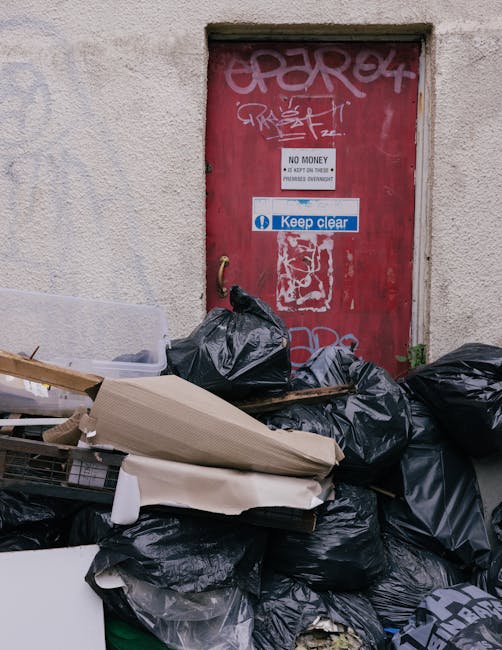
If you are dealing with an estate clearance in Clapham North, the job can feel bigger than the room in front of you. One minute you are sorting old paperwork; the next you are staring at furniture, bags, loft finds, and a long list of things that need to go. That is where sensible Estate clearance advice for Clapham North rubbish removal makes a real difference. It helps you work calmly, avoid costly mistakes, and move the clearance forward without turning the whole process into a weekend from hell.
In this guide, we will walk through how estate clearance usually works, what to prioritise, where people tend to go wrong, and how to keep the process safe, efficient, and respectful. We will also cover local decision-making in Clapham North, plus a few practical checks that make a very unglamorous task far easier to manage. Let's face it, a house clearance is rarely exciting. But with the right plan, it becomes manageable. And that is the point.
- Why it matters
- How estate clearance works
- Benefits and practical advantages
- Who this is for
- Step-by-step guidance
- Expert tips
- Mistakes to avoid
- Tools and resources
- Compliance and best practice
- Options and comparison
- Real-world example
- Checklist
- Conclusion
- Frequently asked questions
Why Estate clearance advice for Clapham North rubbish removal Matters
Estate clearance is not just "getting rid of stuff". It often happens after a bereavement, a move, a probate process, a tenancy ending, or a property sale. In those moments, people need speed, structure, and a bit of tact. A thoughtful clearance reduces stress and helps you make better decisions about what to keep, donate, recycle, sell, or remove as waste.
In Clapham North, that matters even more because homes vary so much. You might be clearing a compact flat with tight stair access, a Victorian terrace with heavy old furniture, or a property where everything seems to have been stored for years. The local reality is simple: access, parking, and sorting space can all shape how the clearance is handled. Ignore those details and the day gets harder than it needs to be.
There is also an emotional side people often underestimate. An estate clearance can bring up memories, disagreements, and decision fatigue. If you have ever stood in a room and thought, "Why does this feel bigger than the whole house?", you are not alone. A clear plan gives you a bit of breathing room. It also helps you stay respectful, which is usually the right tone for an estate clearance.
If your clearance is part of a wider property change, it can help to think about the bigger journey too. For example, our local notes on buying and selling in Clapham are useful when clearance timing needs to line up with viewings, moving dates, or handover deadlines.
How Estate clearance advice for Clapham North rubbish removal Works
Most estate clearances follow a fairly practical sequence. First comes sorting. Then valuation or separation of any items to keep. After that, the remaining contents are grouped into reuse, recycling, donation, and disposal. Finally, the clearance team or household organiser removes what is left and leaves the property tidy enough for the next step.
That sounds simple on paper, of course. Real life is messier. Old cupboards contain a mix of documents, keepsakes, broken appliances, and the odd thing nobody has seen since 2008. The trick is not to try and solve everything at once. Work room by room, and let the method do some of the heavy lifting.
A good local rubbish removal approach usually includes:
- a quick initial survey of access, stairs, parking, and volume
- separating obvious keepsakes and important papers early
- identifying bulky items that need two people or more
- deciding what can be recycled or reused
- booking removal once the clear-out pile is properly organised
When the estate includes loft or cellar contents, it is worth taking an extra pause. Those spaces often hold fragile items, dust, old packaging, or awkward clutter that shifts as soon as you touch it. A bit of patience now saves a lot of faff later.
For readers wanting a broader view of what a professional waste team can handle, the services overview and rubbish removal service pages are useful reference points for understanding how removal jobs are typically structured.
Key Benefits and Practical Advantages
The obvious benefit is that the property gets cleared. But the real value goes deeper than that. Done properly, estate clearance saves time, protects the property, and reduces the risk of injury or disputes. It can also make it easier to hand a home over for sale, let, refurbishment, or probate completion.
Here are the main advantages people usually notice:
- Less stress: a planned clearance feels far more controllable than a last-minute scramble.
- Better sorting: important items are less likely to be thrown away accidentally.
- Cleaner handover: the property is easier to present, inspect, or prepare for work.
- Safer handling: bulky furniture, broken items, and sharp waste are removed more carefully.
- More recycling: reusable and recyclable items can be separated instead of binned wholesale.
There is also a practical money angle. A clear, organised site usually means fewer surprises on the day. You are less likely to need repeated visits because someone "forgot about the loft" or left a garden full of old pots, timber, and damp odds and ends. We have seen that happen more than once, and it is rarely the bargain people hoped for.
And if the property includes outbuildings or a neglected garden, those can be tackled separately through garden waste removal in Clapham or a wider waste clearance approach, depending on what is actually there. Different piles, different fixes.
Who This Is For and When It Makes Sense
Estate clearance advice is useful for a wide range of people, not just executors or family members sorting after a bereavement. In practice, it helps anyone who needs to empty a property in a careful, lawful, and efficient way.
This often includes:
- families managing probate or inheritance-related clearances
- landlords dealing with an end-of-tenancy estate-style clear-out
- solicitors or executors coordinating property handover
- estate agents preparing a home for sale or marketing photos
- homeowners downsizing or moving into supported living
- people clearing a property after long-term storage, hoarding, or refurbishment
It makes sense whenever the property is too full, too awkward, or too sensitive to handle casually. Truth be told, even a small flat can become a big job if the contents are dense and access is tricky. Clapham North has plenty of buildings where stairs, shared entrances, or on-street loading add a layer of planning.
If you are deciding whether a clearance should be handled as a full house emptying job or as a more selective waste removal project, our guide to house clearance in Clapham is a sensible place to start.
Step-by-Step Guidance
Here is a straightforward way to tackle an estate clearance without losing momentum.
- Confirm the scope. Walk through the property and decide what is staying, what may be sold or donated, and what is definitely leaving.
- Protect important items first. Put aside passports, deeds, paperwork, keys, jewellery, photographs, and any sentimental items before anything else moves.
- Sort by category. Create separate areas for keep, recycle, donate, and dispose. Even a couple of labelled bags or boxes helps more than you might think.
- Check access and parking. Measure doorways, identify awkward stairs, and consider where loading will happen. In Clapham North, that can be the difference between a smooth morning and a long, annoying one.
- Book the right help. If you have bulky furniture, electricals, or mixed waste, arrange a team that can safely lift and remove it.
- Clear the easy wins first. Remove loose rubbish, broken items, and obvious recycling. It builds momentum.
- Deal with larger pieces last. Wardrobes, sofas, mattresses, and white goods usually need the most planning, so leave them until the layout is clearer.
- Finish with a final sweep. Check cupboards, drawers, under beds, loft spaces, and garden corners. People always miss something. Always.
A small but useful tip: if several family members are involved, agree in advance who has final say on disputed items. Otherwise the process can slow down badly. One person wants the mirror, another wants the cabinet, a third wants to keep everything "just in case". You can guess how that goes.
Expert Tips for Better Results
Here are the practical details that make estate clearance run more smoothly in the real world.
Start with the emotional risk points
Some rooms are harder than others. Bedrooms, studies, and loft spaces often contain personal items that stall decision-making. If possible, leave those areas for a calmer time of day. Mid-morning is often better than late afternoon, when everyone is tired and the mood dips a bit.
Use a "pause box"
When you are unsure about an item, do not make a rushed decision. Put it in a pause box and revisit it later. This simple habit prevents accidental loss and gives you space to think. It sounds basic, and it is. Basic works.
Photograph anything valuable or uncertain
If an item may be sold, insured, or checked later, take a photo before moving it. That is especially helpful for antiques, collectables, and unusual furniture. No need for anything fancy; your phone is enough.
Keep documents separate from general rubbish
Estate clearances often uncover old bank letters, utility paperwork, personal notes, and tenancy files. These should be reviewed carefully and disposed of securely if no longer needed. Do not just toss paperwork into the nearest black bag because it is there. That would be a bad shortcut.
Think about recycling before disposal
Metal beds, clean wood, appliances, textiles, and some plastics may be suitable for recycling or reuse, depending on condition. A responsible clearance is not only about emptying space; it is also about not wasting decent materials.
Plan for awkward items early
Fridges, wardrobes, deep sofas, pianos, and broken drawers can slow a job down. If they are likely to be removed, decide that early. It helps with lifting plans and vehicle space.
If you want a fuller picture of how safety and handling are approached, it is worth reading the site's insurance and safety information alongside the broader commitment to recycling and sustainability.
Common Mistakes to Avoid
Most estate clearance problems are predictable. That is the frustrating part. The good news is they are also avoidable if you slow down a little at the right moment.
- Throwing away paperwork too early. Check for wills, utility details, tenancy files, and keys before anything goes.
- Not measuring large items. A sofa that will not fit down the stairs becomes a very real problem very quickly.
- Underestimating time. Small-looking rooms can hide a lot of volume.
- Mixing keep and dispose piles. Once items get blended together, decisions become harder.
- Ignoring access issues. Shared hallways, parking, and lift restrictions matter more than people expect.
- Forgetting about the garden or shed. The property is not clear if the outside space still holds a mountain of old pots and broken tools.
A surprisingly common mistake is treating the clearance as a single "bin day" exercise. It is not. Estate clearance is a process, not a sack-and-go. If you handle it that way, you will usually do less rework and feel a lot less frazzled.
Tools, Resources and Recommendations
You do not need a huge toolkit to organise an estate clearance, but a few simple things make it much easier.
- strong bin bags and rubble sacks for mixed light waste
- labels or marker pens for keep, donate, recycle, and dispose piles
- sturdy boxes for papers, photographs, and valuables
- gloves and basic dust protection for lofts, sheds, and storage areas
- a tape measure for sofas, wardrobes, and large appliances
- notepad or phone notes for item lists and decisions
For service planning, the most useful resources are usually the provider's own information pages. You can compare the scope of work through our services, check transparent guidance on pricing and quotes, and review how payments are handled on the payment and security page. That combination helps you understand what to expect before anyone arrives at the property.
For local context, some readers also find it useful to browse the site's Clapham-specific articles, such as rubbish removal tips for Clapham Common or the guide to waste collection for Abbeville Road flats. While the settings differ, the practical lessons about access, timing, and loading are often relevant.
Law, Compliance, Standards, or Best Practice
Estate clearance can involve waste handling, so it should be carried out with proper care. In the UK, the core principle is simple: waste should be handled by appropriate means and not fly-tipped, dumped, or moved irresponsibly. If you are arranging removal through a third party, it is wise to check that they operate safely, manage waste properly, and provide clear terms.
Where the clearance includes electricals, fridges, paints, batteries, or other potentially sensitive items, extra caution is sensible. These are the kinds of materials where rushed handling is a bad idea. Best practice is to separate them early and ask how they will be dealt with. Nothing fancy. Just ask the practical question.
If you are acting on behalf of an estate, it is also sensible to keep a record of what was removed, what was kept, and what was donated or recycled. That can help with family transparency, probate administration, or general peace of mind. Not every job needs a formal spreadsheet, but a simple written note often saves arguments later.
For businesses or more structured clearances, the same principles apply with a bit more formal record-keeping. If your estate clearance overlaps with a property reset, refurbishment, or mixed waste removal, the waste clearance and builders waste disposal pages may also be useful for understanding how different clearance types are handled.
Options, Methods, or Comparison Table
Not every estate clearance needs the same method. The right approach depends on volume, access, sensitivity, and timing. Here is a simple comparison to make the choice clearer.
| Method | Best for | Strengths | Trade-offs |
|---|---|---|---|
| Self-managed clearance | Small, straightforward clear-outs with plenty of time | Full control, slower pace, lower direct service cost | Time-consuming, physically demanding, easy to underestimate |
| Mixed approach | Homes where some items are kept, sold, or donated first | Flexible and respectful, helps preserve valuable or sentimental items | Can drag on if decisions are not made clearly |
| Professional clearance support | Bulky, time-sensitive, or access-challenging properties | Faster, safer, better for lifting and removal logistics | Requires planning and a clear brief |
In practice, many people end up using a mixed approach. They sort the sentimental and valuable items themselves, then bring in help for the heavy or awkward clearance work. That is often the most balanced route. Not perfect, but practical.
Case Study or Real-World Example
Here is a realistic example based on the kind of estate clearance that often comes up in Clapham North.
A family needed to clear a two-bedroom flat after a relative moved into care. The property had a mix of everyday furniture, several boxes of documents, a wardrobe that would not fit down the hallway in one piece, and a kitchen full of items nobody had looked at for years. The family first separated the important papers and keepsakes. Then they marked anything saleable, anything recyclable, and anything to dispose of.
The key turning point was not speed. It was clarity. Once they agreed on what could be removed immediately and what needed a second look, the rest of the process became calmer. The clearance team could handle the bulky furniture and remaining rubbish without pausing for decisions every five minutes. That saved time, and more importantly, it reduced stress.
There was one mildly awkward moment with a very heavy bookshelf. Of course there was. There always is one item that seems determined to test everyone's patience. But once that piece was dealt with, the flat was cleared, swept through, and ready for the next step. The family said the biggest benefit was simply getting the property back to a neutral, workable state. That feeling matters more than people sometimes admit.

Practical Checklist
Use this checklist before starting an estate clearance in Clapham North:
- confirm who has authority to decide on contents
- remove keys, documents, jewellery, and valuables first
- identify items to keep, donate, recycle, sell, or dispose
- measure large furniture and note access restrictions
- check parking/loading arrangements in advance
- separate electricals, metals, textiles, and garden waste where possible
- book support for heavy or bulky items
- take photos of anything uncertain or potentially valuable
- keep a short record of what has been removed
- do a final room-by-room sweep before finishing
Quick expert summary: the best estate clearance is usually the one that starts with sorting, respects sentimental and legal priorities, and then removes waste in a calm, organised way. In other words, do the thinking first and the lifting second.
Get a free quote today and see how much you can save.
Conclusion
Estate clearance is rarely just a removal job. It is a practical task wrapped around a personal situation, and that combination calls for care. With the right estate clearance advice for Clapham North rubbish removal, you can make the process safer, more orderly, and far less overwhelming.
The main idea is simple: sort carefully, plan access properly, protect the important stuff, and remove waste in a way that suits the property rather than fighting it. If you do that, the whole job becomes more manageable. Not easy, exactly. But manageable, yes. And honestly, that is a pretty good result when you are dealing with a full house and a long to-do list.
When the dust settles and the rooms are clear again, there is often a small sense of relief that surprises people. Quiet, practical, earned. And that is a decent place to end.


 Tipper Van - Waste Disposal and Rubbish Removal Prices in Clapham, SW4
 Luton Van - Waste Disposal and Rubbish Removal Prices in Clapham, SW4